
I have been reading about AI agents lately — with Microsoft launching their version to set up a battle with Salesforce and with Gartner saying that 2025 will see the rise of agents. My curiosity was stoked so did some research on what AI agents are. Here is what I found out — which I hope is correct (but don’t hold me to its accuracy!).
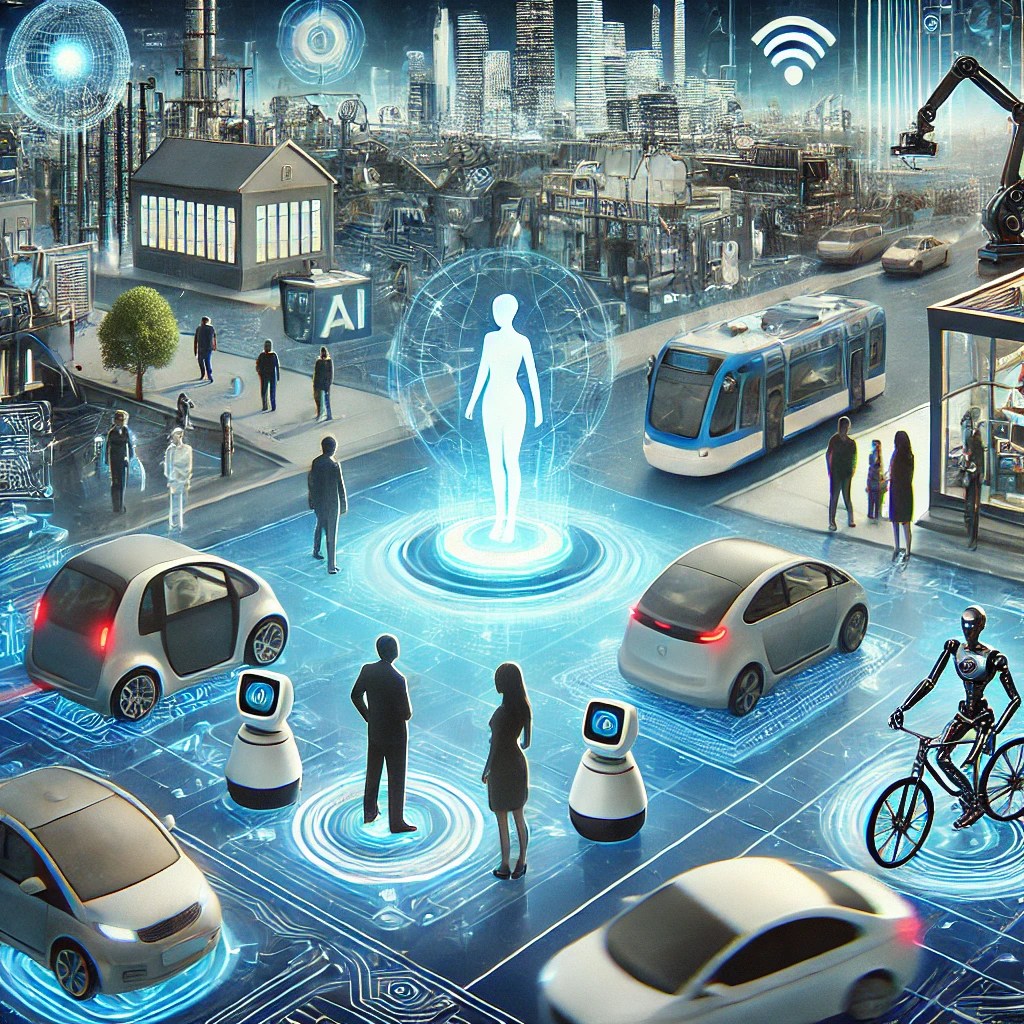
What AI agents are
AI agents are autonomous software programs designed to perform tasks, make decisions, and interact with environments on behalf of their users or systems. They use artificial intelligence to (1) analyze data, (2) learn from interactions, and (3) optimize their actions to achieve specific goals.
There are different types of AI agents, each with varying levels of complexity and functionality. Reactive agents, for example, are simple systems that respond to environmental changes without storing any memory or past interactions. In contrast, model-based agents maintain an internal state, allowing them to consider past experiences when making decisions. Goal-based agents take this further by planning ahead, aiming to achieve long-term objectives, while utility-based agents evaluate the potential outcomes of their actions using a utility function and seek to maximize overall success.
Some AI agents are designed to continuously learn and improve over time. These learning agents use machine learning techniques to adapt their strategies or decisions based on feedback, evolving with every interaction. This form of intelligence allows them to become more effective at tasks such as conversation, navigation, or task automation. Examples of AI agents in everyday life include personal assistants like Siri, Alexa, or Google’s chatbot on their speakers, which leverage natural language processing and machine learning to assist with tasks like setting reminders or answering questions. Similarly, recommendation systems like those used by Netflix and Spotify rely on AI agents to suggest content based on a user’s preferences and behavior patterns.
What’s the potential of AI agents in the future?
The potential for AI agents to reshape industries is vast. They are already making a significant impact in areas like customer support, where they provide virtual assistance 24/7, answering inquiries and resolving issues.
And in autonomous vehicles, AI agents make real-time decisions based on sensor data to ensure safe navigation.
In gaming, AI agents create NPCs that can interact with and challenge human players by learning tactics and adapting strategies in real-time.
Are there risks?
With the rise of AI agents comes ethical concerns, particularly around personal privacy, accountability, and the displacement of human jobs.
As these agents become more integrated into society, there is a growing need for transparency and fairness in their decision-making processes, as well as human oversight to ensure they are used responsibly.
Final words?
Overall, AI agents are transforming the way we interact with technology, automating tasks, learning from experience, and solving increasingly complex problems across industries. And they could be an interesting way in the future to interact with technologies.
Perhaps, we can even assign it to solve the problems of climate change and of geo-political wars. And they could solve these problems for us.
(I guess, the only question is, will we like the solutions that it will require us to do to achieve a reversal of climate change and the dawn of real peace globally? My sci-fi infused mind asks, what if to solve climate change and to achieve global peace, the AI agents recommend the extermination of the human race — what do we do then? Skynet much?)
In any case, how we use AI agents in the future will be dependent on us. It surely shows significant promise in making our lives easier. It is up to us humans to make sure that no one is left behind and that this technology serves us and serves humanity.
 Numerate Geek
Leave a comment