In an age where social media has become the dominant force in shaping public discourse, the Philippines finds itself increasingly caught in the web of toxic populism. The rise of influencers, the viral nature of digital content, and the amplification of sensational narratives have led to a society that places a premium on popularity over reason, creating fertile ground for toxic populist ideologies to thrive, as well as the rise of misinformation and even disinformation. This phenomenon, while not unique to the Philippines, is particularly potent in a nation where social media engagement is among the highest in the world.
The digital landscape has reshaped the way Filipinos consume news and information, communicate, and form opinions. Traditional media, which once held the responsibility of curating news and ensuring factual accuracy, now competes with an endless stream of user-generated content that prioritizes virality and popularity over veracity, truthfulness, and factualness. Influencers have become the new social and political opinion leaders, and in their pursuit of likes, shares, and followers, they have inadvertently contributed to the rise of narratives that favor emotional appeal over rational discourse. Populist figures both in politics and in other spheres understand this shift and exploit it by crafting messages that resonate with the masses in ways that are easily digestible, relatable, and shareable.

The cycle of influence within social media furthers this phenomenon. Influencers beget influencers, as smaller content creators mimic the tactics and messaging of those who have achieved digital success. The more outrageous, provocative, or emotionally charged a post is — it seems — the more engagement it garners. This cycle rewards content that reinforces toxic populist ideologies, often at the expense of nuanced, rational discussions and even factual accuracy. In turn, populist leaders thrive because their rhetoric is perfectly suited to this environment — simplistic, direct, emotionally appealing and compelling, and sometimes, even divisive.
One of the most concerning aspects of this trend is its impact on public perception and decision-making. The constant exposure to toxic populist messaging on social media creates an echo chamber where opinions are reinforced rather than challenged. Algorithms further entrench these views by curating content that aligns with users’ existing biases, making it increasingly difficult for individuals to encounter differing perspectives. As a result, a culture of blind allegiance to toxic populist figures and movements emerges, one that resists scrutiny, demonizes any opposition, and discourages deep, critical thinking.
This shift in societal values is particularly dangerous in a democratic system. Toxic populism thrives on disillusionment, distrust in institutions and spirited discussions, and a rejection of expertise, logic, and reason. When popularity becomes the primary metric for leadership and decision-making, the consequences are dire. Leaders who prioritize performative governance over substantive policy reforms gain traction, while those who advocate for rational, evidence-based approaches struggle to compete in a landscape driven by emotional appeal. The erosion of democratic institutions, the spread of misinformation, and the deepening of societal divisions are the inevitable byproducts of this trend.
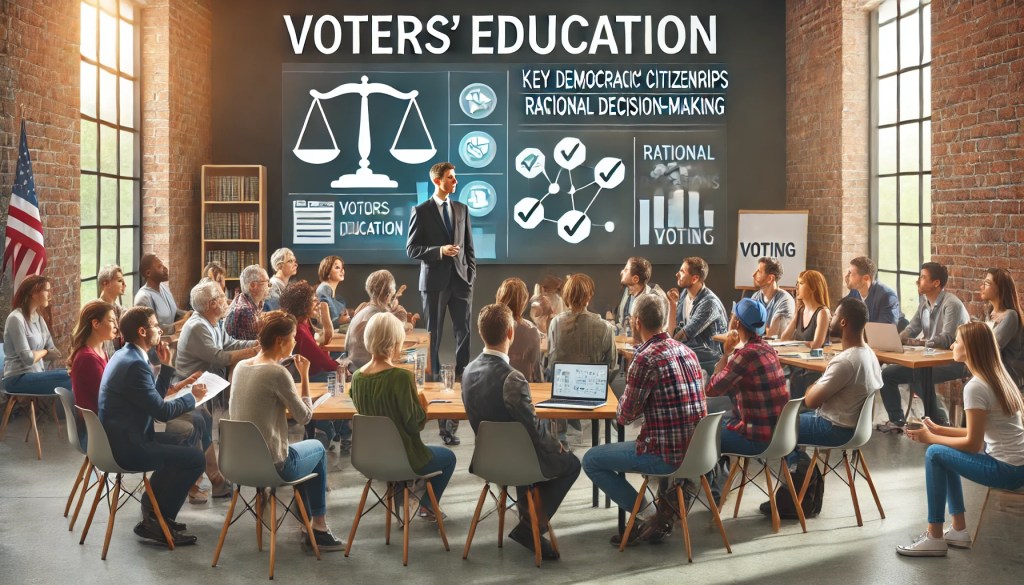
To curb the rise of toxic populism, it is imperative to address the root causes that allow it to flourish. Media literacy must be prioritized to equip Filipino audiences with the ability to discern credible information from manipulative content. Schools should integrate critical thinking and digital literacy into their curricula, ensuring that younger generations are prepared to navigate the complexities of the online world. Civil society organizations and independent media must work together to promote fact-based discussions and counteract the influence of misinformation and disinformation. Additionally, regulatory frameworks should be considered to hold social media platforms accountable for the content they amplify, ensuring that their algorithms do not prioritize sensationalism over truth.
Ultimately, breaking free from the popularity trap requires a collective effort to shift societal values away from the superficial metrics of virality and toward meaningful engagement with ideas that shape the nation’s future. Filipinos must recognize that leadership should be defined not by the number of followers and likes one has, but by the strength of one’s vision, integrity, and commitment to the common good. Only by reclaiming the space for rational discourse can the Philippines protect its democracy from the corrosive effects of toxic populism.
 Numerate Geek
Leave a comment