I have been thinking about the influencer marketing industry.
Very recently, Unilever’s CEO said that they will be increasing their budgets on influencers by as much as 20-times in the near future. He expects that their budgets on influencers will then start to account for 30-50% of their advertising budgets. (Source: Emarketer)
Being one of the world’s biggest and most influential advertiser, I am sure that all other companies — big and small — are sitting up right now and asking, “Should we do the same?”
If other companies follow suit, we can see an even bigger demand for influencers in the future — which will make the influencer become one of the most important media and communications channels in the advertising mix.
And what will happen next? Because of the lucrativeness of the influencer business, everyone online will want to have a share of the growing pie.
Everyone will be an influencer.
As if, there is no dearth for influencers right now.
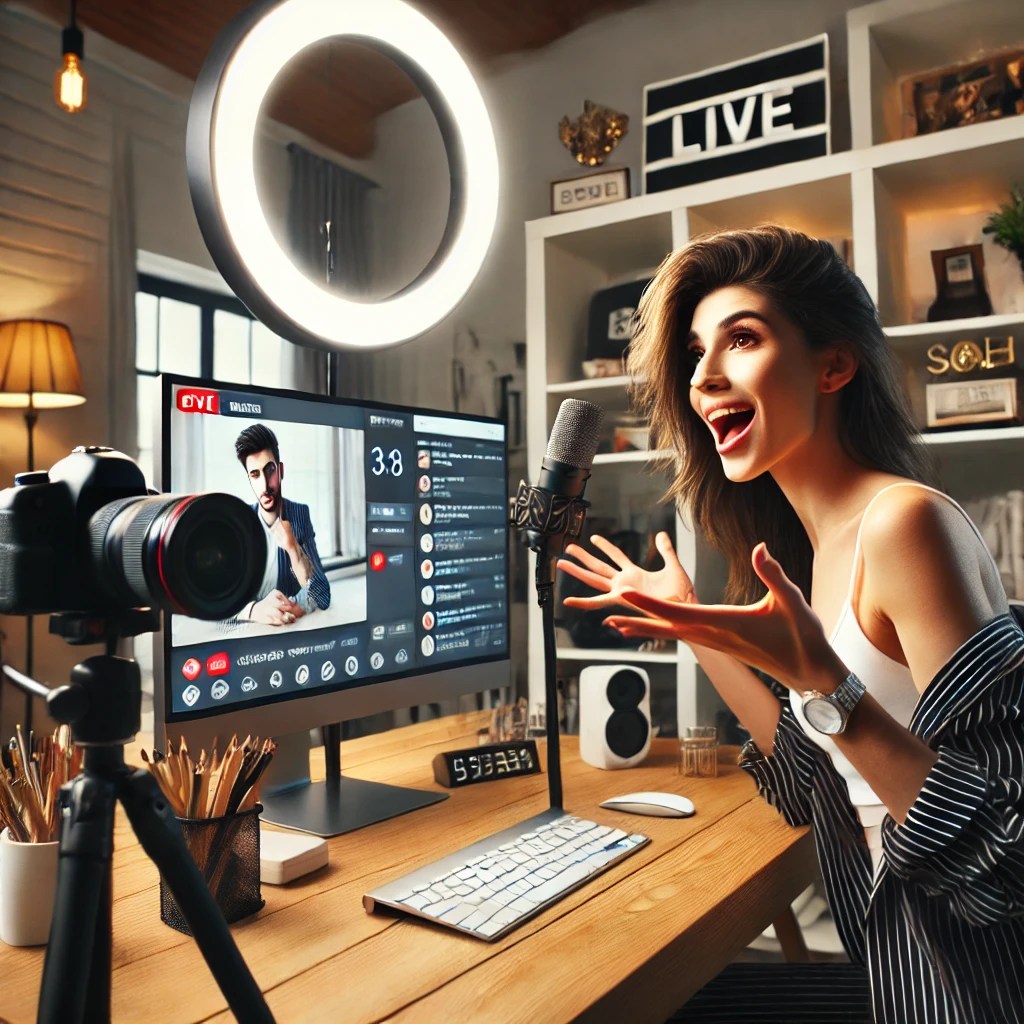
I thought that we have reached “peak influencer volume. But with this pronouncement and its repercussions amongst advertisers and influencers, I am now foreseeing that there could be a second wind to the growth of influencers in the future.
Which leads me to the question: If everyone becomes an influencer, is anybody really an influencer?
I mean, when everyone is an influencer, then does that not diminish the value of influencers?
It’s simply commoditization: When everybody is an influencer, then being an influencer becomes the new normal — and there is no longer any observable differentiation across people online because everyone is the same. Everyone will be trying to influence the other.
How will this future work out?
These are questions that I have yet to answer.
But a few things are certain in my mind: Trust, relevance, and authenticity will continue to be the bedrock of the effectiveness of influencers as a medium and as a channel of communication and persuasion.
Social media and other technologies have resulted to everyone having a megaphone. And because everyone will have a megaphone, there will be a cacophony of influencing noise online. Audiences — in order to remain sane in the midst of all the noise — will learn to tune out those that are not relevant to them, as well as those that they do not trust, and those that they deem to be merely paid, branded megaphones.
Certain individuals, through their relatable and meaningful content and resultant engagement, will still be able to rise above the noise and achieve widespread recognition — and even authority and trust. These individuals still hold sway over large audiences and therefore still hold influence.
And of course, the algorithms. The closely-guarded, heavily secretive algorithms of social media platforms like Facebook, Instagram, and Tik Tok, will work double time to surface those who are truly influential — for better or for worse.
I think the future for influencer marketing is bright.
But I also hope that consumers will become even more discerning and more critical of the things that they see online. They should — I hope — realize that influencers are paid media and paid megaphones, and essentially, business owners with gigs that pay the rent. They are not influencers simply for the sake of being influencers.
 Numerate Geek
Leave a comment