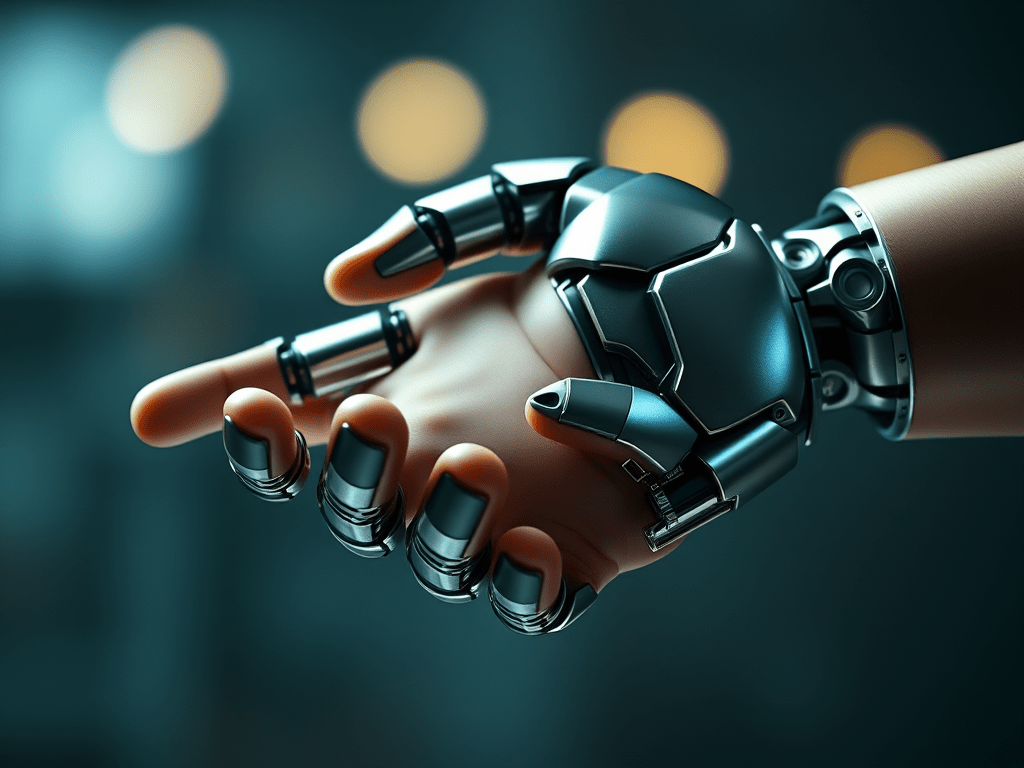
In an age when anyone can make a perfect brand video or an ad in seconds through generative AI, the hardest thing to create is not content — it is credibility, trust, and connection.
Artificial intelligence has made content creation faster, sharper, and easier. Yet in the same breath, it has blurred the lines between what is authentic and what is artificially assembled. When algorithms can write copy, generate art, and even replicate a celebrity’s voice and mannerisms, I believe we are all left wondering: Can I still believe what I see? Is what I am seeing real or the truth?
Among Filipino Prosumers — the 15–20% of Filipinos who are at the leading edge of culture, technology, and beliefs — this tension is deeply felt. Research by HAVAS Ortega shows that 71% of Filipino Prosumers believe trust in institutions and brands is eroding rapidly — in the same breath, 94% would acknowledge that AI is revolutionary and awesome, and truly game-changing.
I think these two numbers could be contextualized into something deeper: the influential Filipino Prosumers are not rejecting technology — they are, in fact, open to it. However, they are concerned that trust — which is so fundamental to how we live as a society — is eroding and because of that, they are demanding accountability and authenticity in how technologies such as AI are used.
And this is very important to marketeers: In a society where relationships and sincerity are deeply valued, the erosion of trust carries emotional weight. Once a brand is seen as not genuine and fake, recovery — I believe — is difficult.
Here is another thing that I find kinda ironic about AI: AI promises hyper-personalization but it can also easily feel impersonal. Just look at those auto-translated search results when you do a Google Search. Or those AI-generated ads that you see on Google Ads.
A cloned influencer voice, an AI-generated jingle, or a synthetic product testimonial may look flawless, but it strips away the imperfections that make human stories compelling. Filipino audiences, with their cultural bias toward empathy and emotion, can detect when something feels too perfect to be real. In a society built on pakikisama and pakiramdam — connection and deep intuition — technological perfection can undermine human authenticity.
And I think that is why brands must prioritize trust, credibility, and authenticity before capability powered by technology.
Before launching AI-driven campaigns, marketeers must invest in trust architecture — the invisible scaffolding that holds reputation upright. This means embracing transparency (disclosing how AI is used in content creation and decision-making), evidence-based communication (backing claims with verifiable data), and critical thinking culture (encouraging both employees and consumers to discern, question, and understand).
What marketers need now is not another strategic framework or some consulting-slide on tactical programs to build trust — it is a new ethic of communication. We cannot outsource credibility to machines or policies; it must be practiced daily by humans behind the brand. It begins with radical transparency: Letting audiences see not just the polish, but the process — including when AI lends a hand. It continues with accountable creativity: Using technology to amplify truth, not to disguise or beuatify it. And it thrives on human judgment — the quiet discipline to ask, Would I still believe this if I weren’t paid to say it?
Building trust in the age of AI is less about tech systems and stacks and adtech stacks. It is more about sincerity, integrity, and being trustworthy. It is about brands learning to speak with honesty in a world full of noise, and about choosing empathy over automation when the two collide.
Ultimately, I think AI will not destroy trust. Inauthenticity will. The blind desire to keep up with tech trends will. Turning back to a brand’s humanity and being obsessed with perfection will.
Because in a world where content is infinite and advertising messages are created in a jiff, integrity, credibility, trustworthiness, and authenticity are the only currency that truly matters.

 Numerate Geek
Leave a comment