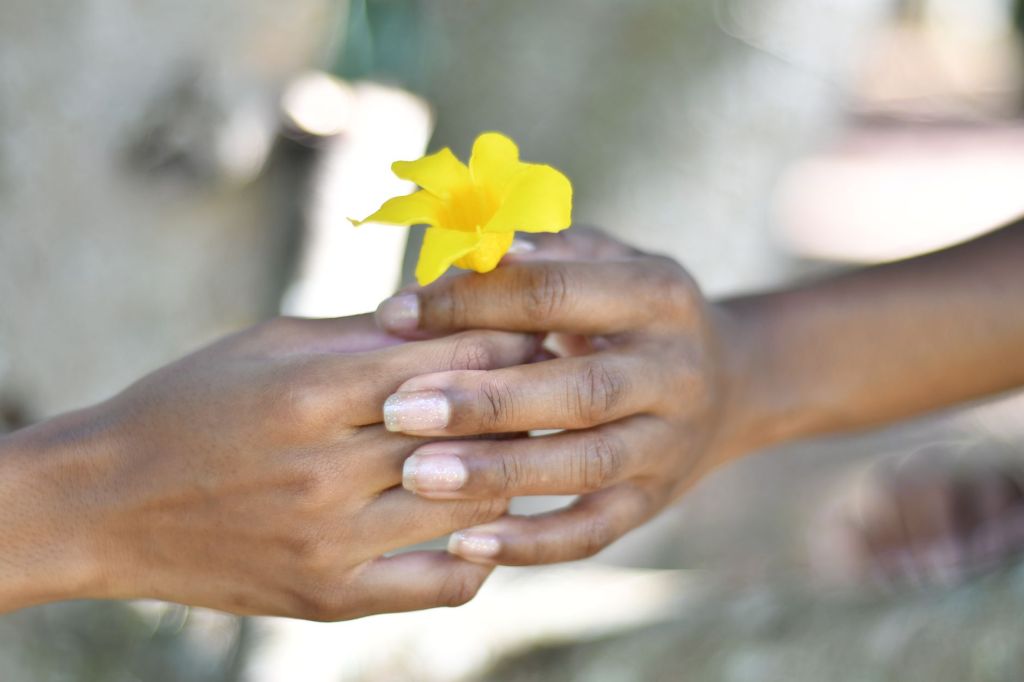
There’s a saying that has been on my mind lately:
“Live simply so others may simply live.”
Nobody knows for certain who said it first—it has been attributed to both Gandhi and Mother Teresa, though there is no real agreement on its origin. But the uncertainty of its source does not diminish its power. If anything, the fact that it could belong to either of them, who both dedicated their lives to others, makes it feel even more universal.
I first encountered this idea back in college at the Ateneo, where we were taught and encouraged to become “men and women for others”. At the time, it felt less like a lesson and more like an awakening. I was more socially aware then, more socially engaged, more attuned to the shifts happening around me in the country. That phrase — men and women for others — was not just a nice sentiment. It was a guiding principle, something I genuinely tried to live by.
Somewhere along the way, life happened. Careers, responsibilities, the daily grind of building a life—all of it has a way of pulling us away from the ideals we once held so close. I’m not sure exactly when it happened, but I notice now that I’m not as socially aware as I used to be, not as politically engaged, not as in tune with the struggles happening around me. And lately, I’ve found myself wanting to return to that earlier version of myself—the one who believed that living simply wasn’t just a personal virtue, but an act of solidarity with others.
“Live simply so others may simply live” is not really about deprivation or asceticism, at least not to me. It is about recognizing that what I consume, what I hoard, what I take up—space, resources, attention—has consequences beyond myself. Every excess I allow myself potentially comes at a cost to someone else’s ability to simply live. That is a heavier realization than I expected, but it is also clarifying. It reframes simplicity not as sacrifice, but as a form of generosity.
I do not have a perfect plan for what this looks like in practice yet. I am not even sure if it means changing how I spend, how I consume, how I engage with the world around me, or something else entirely.
But I know I want to be guided by this principle again, the way I was decades ago. I want to live more simply — not out of guilt, but out of genuine care for the people whose lives are made harder by systems and excesses I may be, knowingly or not, contributing to.
Maybe this is less about arriving at a finished answer and more about beginning the return journey.
Becoming a man for others again is not something I can declare and instantly become. It is something I have to relearn, practice, and grow back into.
But I would rather start that journey imperfectly than not start it at all.


Leave a Reply